The Physiology of Aging: What Really Happens in the Body?
To train effectively, we must understand which biological forces we are up against. From the age of 40, three key processes take place that we can not only stop with targeted stimuli, but in some cases even reverse.
Gradual Sarcopenia and Mitochondrial Decline
The loss of muscle mass (sarcopenia) is no myth. It begins gradually and particularly affects type II muscle fibers—the fast-twitch fibers responsible for explosiveness and strength. At the same time, the efficiency of our mitochondria, the power plants of our cells, decreases. The result: we feel fatigued more quickly, maximum oxygen uptake declines, and recovery times increase.
The Hormonal Shift: Cortisol vs. Testosterone & Estrogen
After 40, the hormonal environment comes under pressure. In men, testosterone levels decrease; in women, perimenopause often begins, during which estrogen fluctuates. At the same time, the more sensitive body reacts to the stress hormone cortisol. Anyone who now engages in too much moderate “cardio grinding” (hours of jogging at a medium heart rate) risks further increasing cortisol levels, which paradoxically can lead to muscle loss and increased storage of visceral fat (belly fat).
The solution
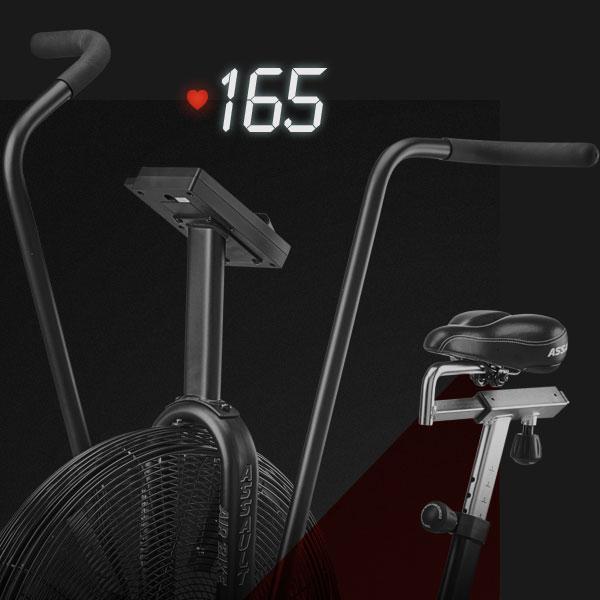
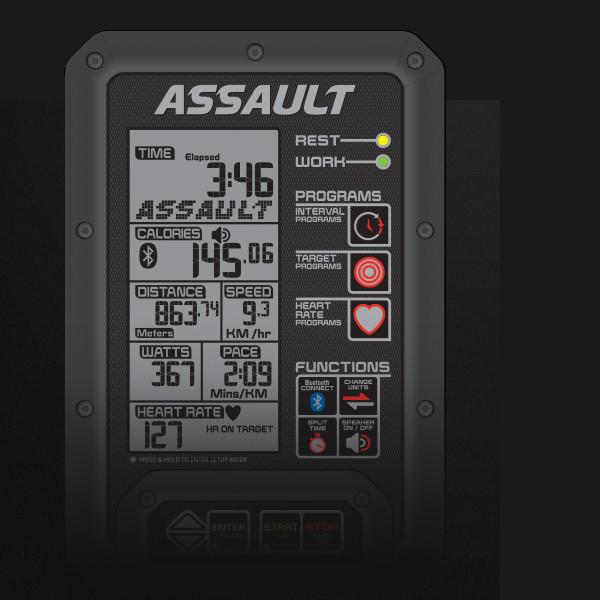
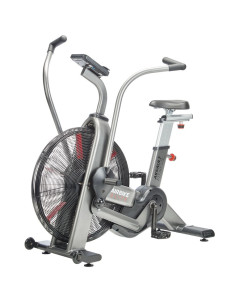
Current studies show that high-intensity strength training combined with sprints massively stimulates mitochondrial biogenesis (the formation of new cellular power plants). This is where the AssaultBike becomes a key factor: it allows maximum intensity without the joint impact typically associated with sprints.